
Preface
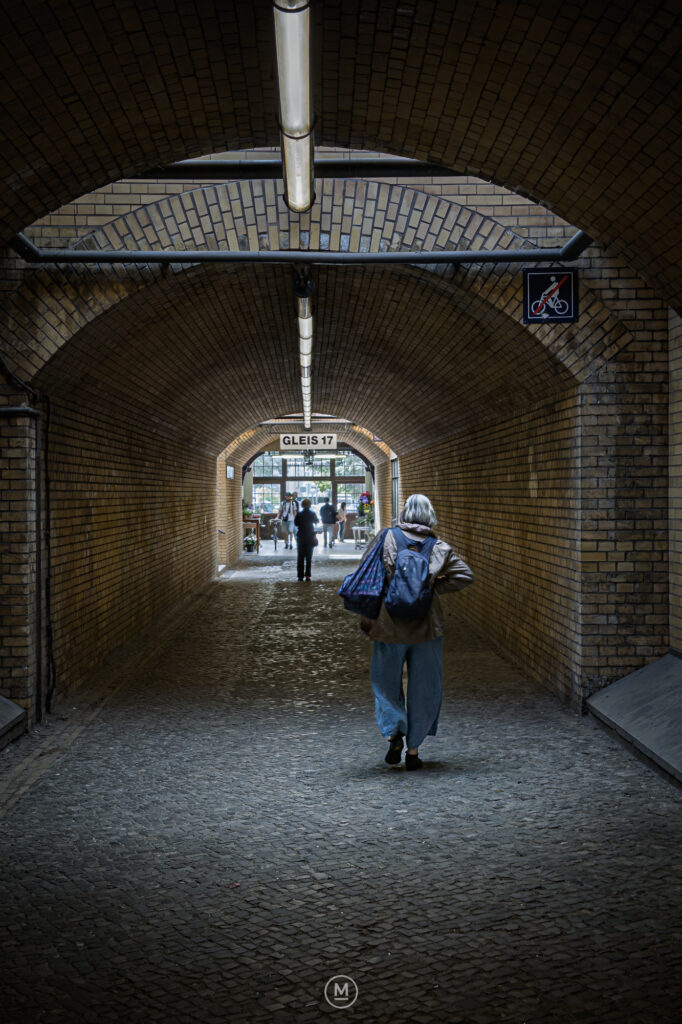
I walk through the brick underpass at Platform 17 in Berlin. The ceiling curves overhead. The bricks line up in straight rows. Lights run down the centre, drawing my eyes toward the bright exit. A sign above reads Gleis 17.
People pass through here every day. Some go to work. Others carry shopping bags. During the Second World War, Jewish families were forced through this same space. Guards pushed them onto trains that took them to ghettos and concentration camps. This tunnel was part of that route.
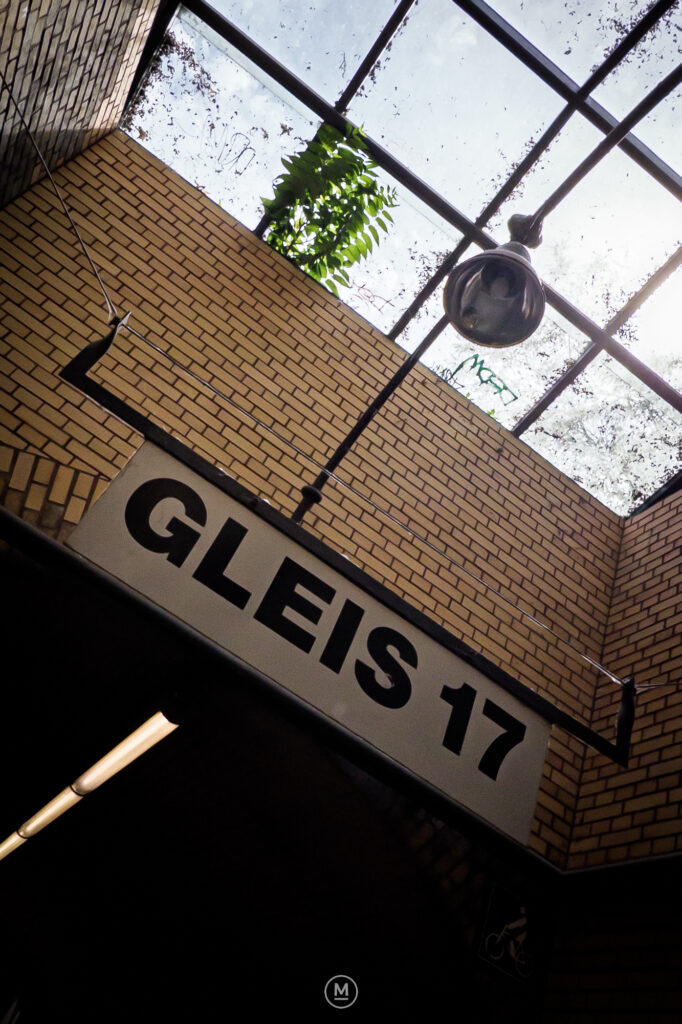
The bricks are still here. The structure remains. Life goes on. But the air feels heavy when I stand there.
Platform 17 in the Grunewald district is more than an old railway platform. Between 1941 and 1945, trains left here carrying thousands of people to their deaths. These deportations were organised. The national railway scheduled the trains, provided staff and cars, kept records, and billed the state for each person transported. The system ran on timetables and paperwork.
For decades after the war, little was said about this. Trains kept running. Anniversaries were celebrated, but the deportations were barely mentioned. The platform blended back into daily life.
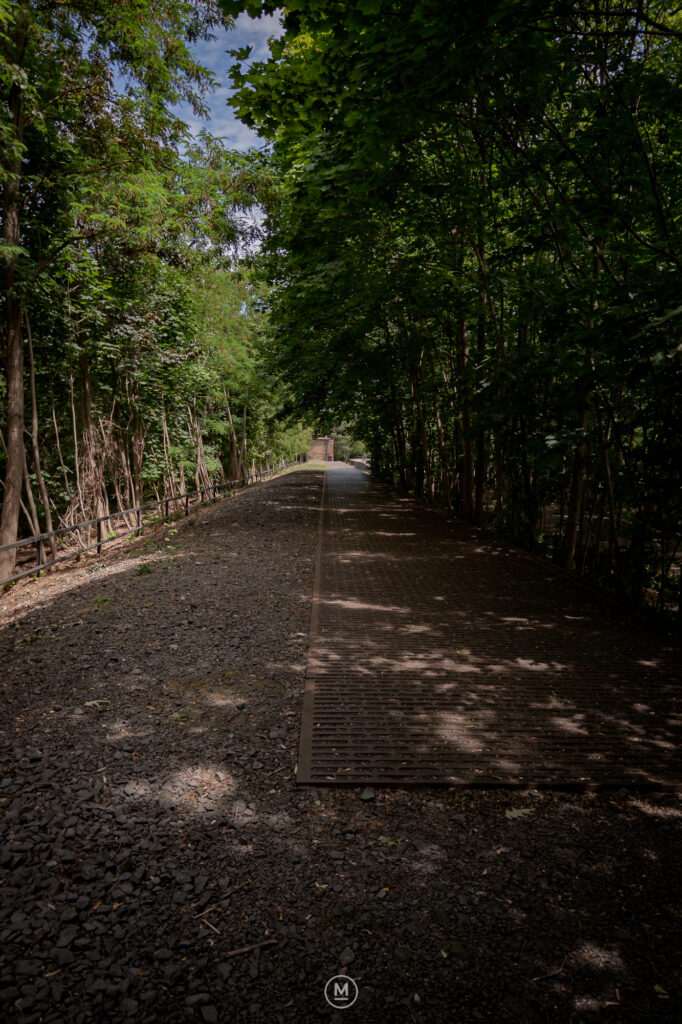
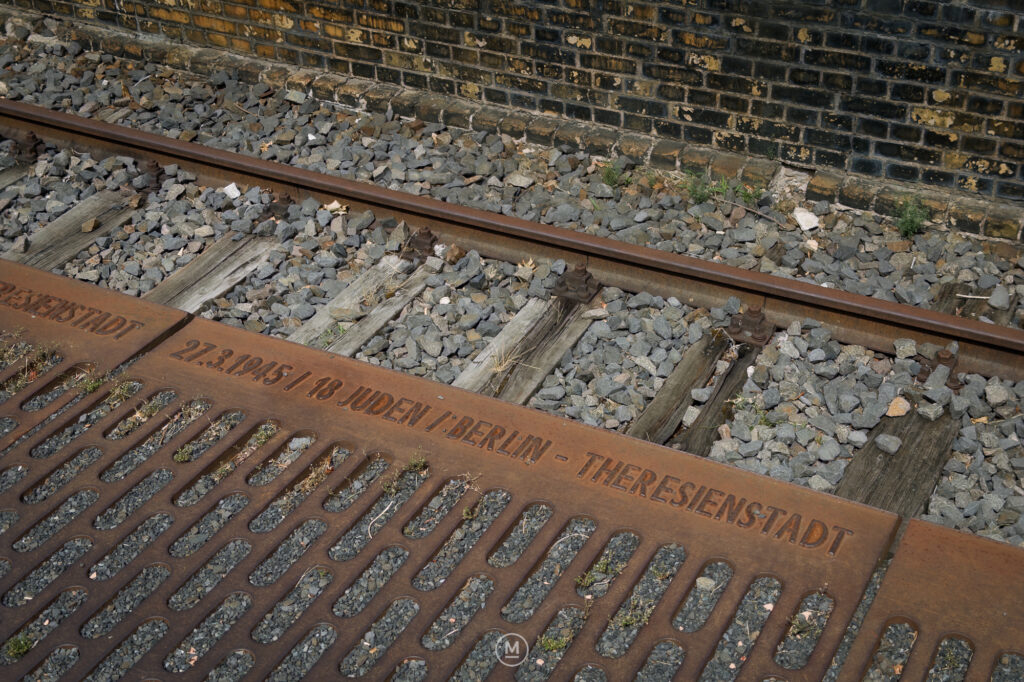
That changed in 1998 when a memorial was built along the old platform. It doesn’t rise high or demand attention from afar. Instead, 186 steel plates lie flat on the ground. Each one shows a date, a destination, and the number of people deported that day.
I walk along the platform to read them. I look down. The repetition hits me date after date, number after number. Every number represents lives.
Near the platform is a concrete wall pressed with outlines of human figures. The bodies aren’t there, only their absence remains. The shapes feel real. I can almost measure the space a person once filled.
As I move through this site, I notice how the space changes my pace. The gravel shifts under my shoes. The tracks lead nowhere. Weeds grow between the sleepers. I slow down without even realising it. feels different from walking in the city. The noise fades. Trees surround the tracks. The place encourages wandering. I follow a path. I pause at a plate. I turn back. There is no rush.
As I read the plates, I see large numbers of hundreds sent east. Then a smaller number: eighteen people sent to Theresienstadt. That small number hits harder than a big one. I imagine eighteen faces. Eighteen families.
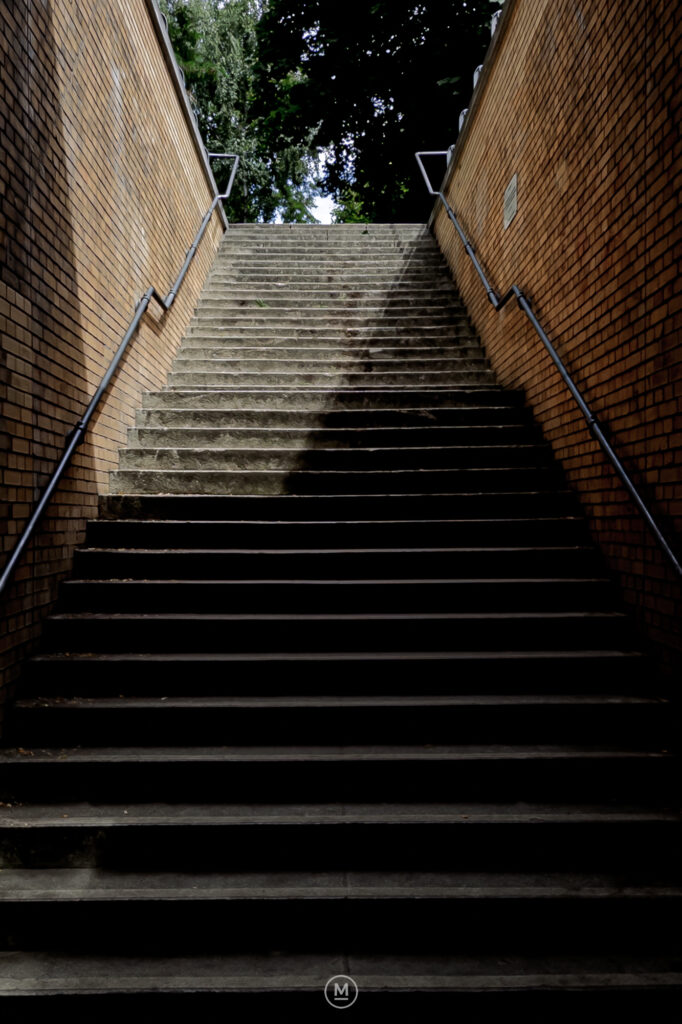
The site affects me before I read anything. The narrow tunnel, the dim light, the quiet woods. My body reacts first, then my mind catches up.
The railway made these deportations possible with steel tracks, switches, schedules, and offices. Today, those same tracks rust. Plants push through the ballast. Birch trees grow between the iron lines. Nature moves in. It doesn’t erase what happened. It grows around it.
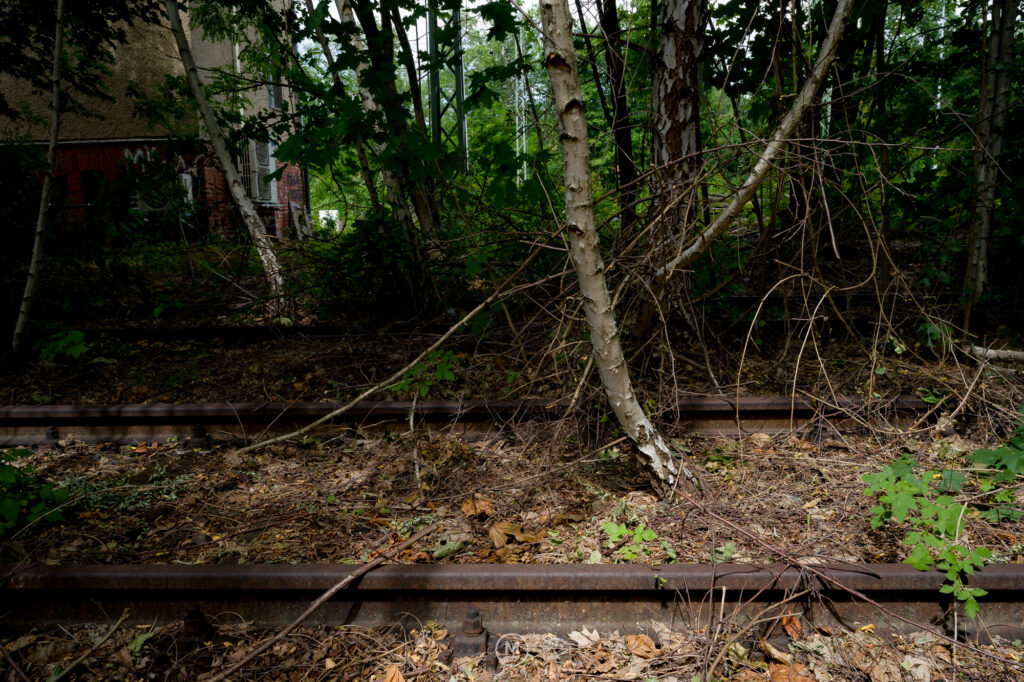
When I photograph this place, I feel a responsibility. It would be easy to look for dramatic angles, but that would be wrong. I focus on details rust on steel, letters stamped into metal, leaves gathering on a plate.
The 186 plates repeat the rhythm of the trains that once left on schedule. Photographing them feels repetitive, but repetition tells the truth. The system worked through the routine. That is part of the horror.
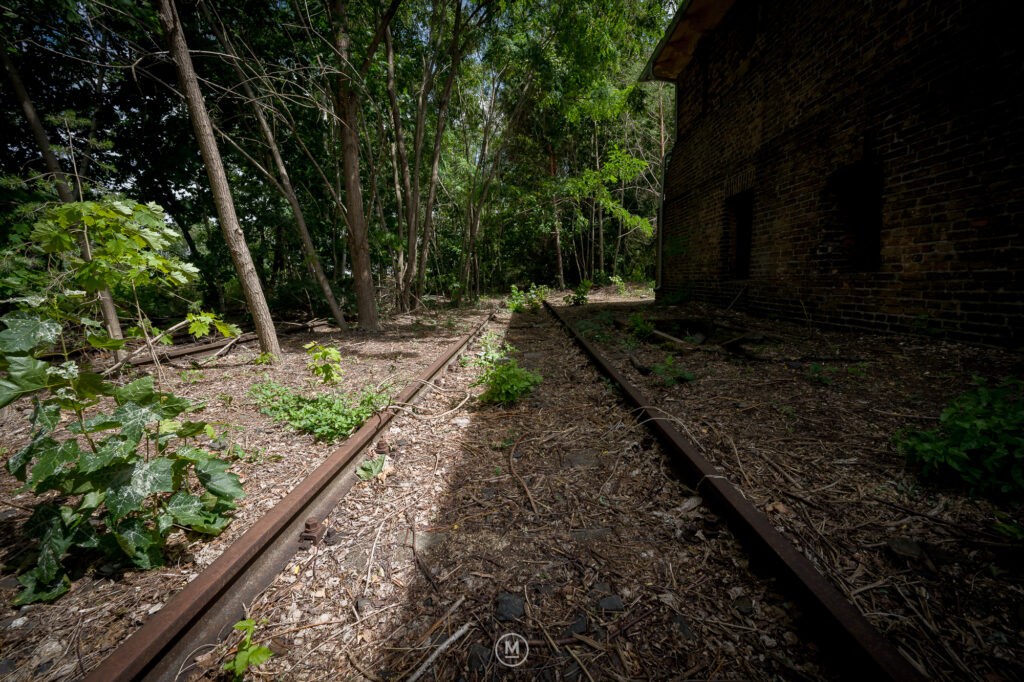
Every image I take becomes a record of a place that already records absence. I choose what to frame, decide how close to stand, and ask myself what I’m showing and why.
There is no story of rescue here, no return trains. The plates list departures only. The tracks end in the forest.
The memorial took decades to build. That delay says something about how institutions deal with guilt. Acknowledgement came late, but it came.
When I stand at the end of the line, I see trees where trains once moved. History doesn’t resolve itself. It stops. The forest keeps growing.
Platform 17 teaches me that places shape how I think and feel. Architecture guides my steps. Materials carry memory. Infrastructure holds history.
The rails speak through rust. The plates speak through numbers. The trees stand in silence.
When I walk here, I slow down. I look down. I pay attention.
The full editorial and associated images are available for publication in your magazine, journal, or platform. Request tailored versions in different tones or formats. Book the author as a guest speaker for your event or programme. Contact the Author.
All images and text on this page are protected by copyright law. No part of this material may be reproduced, distributed, published, transmitted, modified, or used in any form or by any means, in whole or in part, without prior written permission. All rights reserved.